
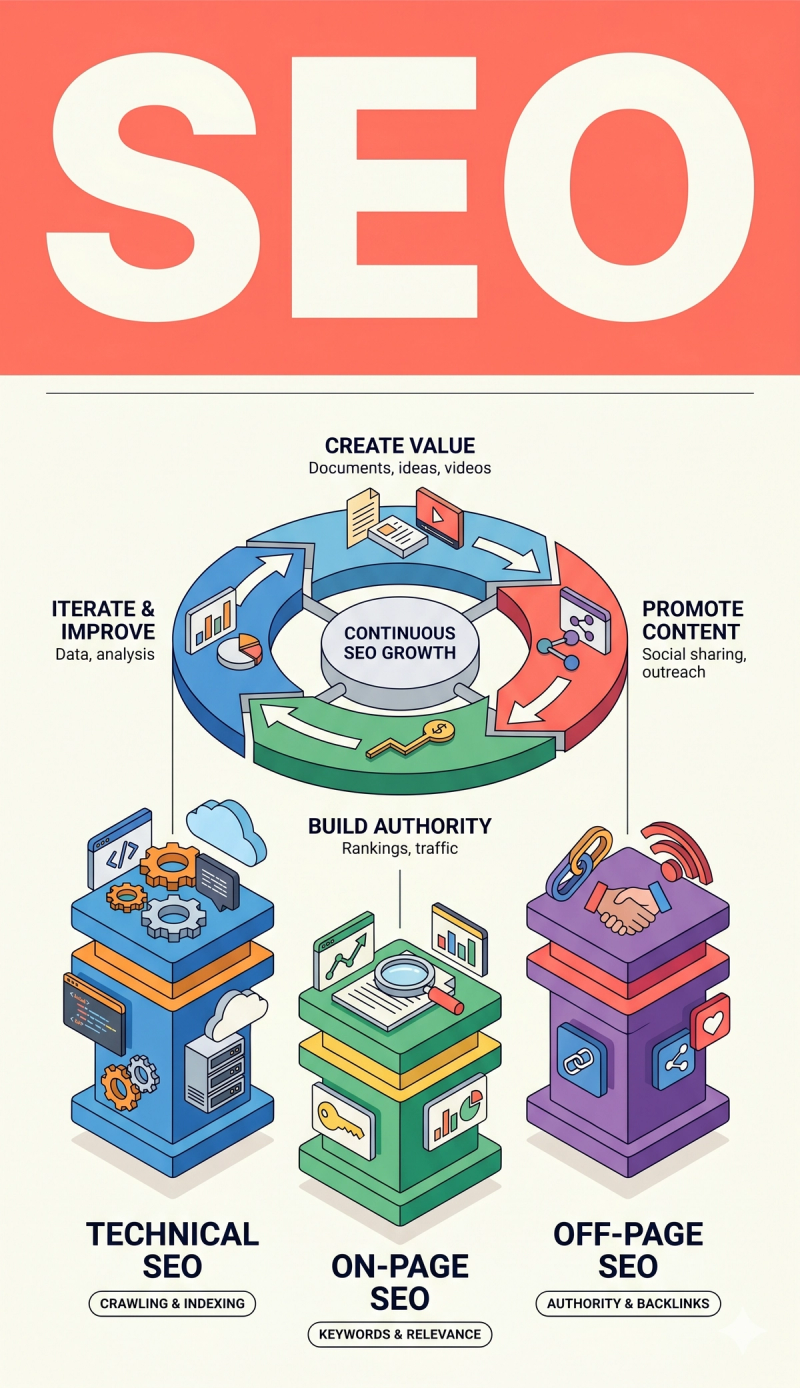
SEO, or search engine optimization, is the practice of improving a website so it ranks higher in search engine results for relevant queries, driving more visibility and organic (non-paid) traffic. It spans three broad categories — technical SEO (making a site crawlable and fast), on-page SEO (content and page-level optimization), and off-page SEO (external signals like backlinks) — all working together toward the same goal: getting the right pages in front of the right searchers without paying for placement. A fourth dimension has grown alongside these three in recent years: optimizing for AI-generated search answers, not just traditional ranked results.
Key Takeaways
- SEO breaks down into three traditional categories — technical, on-page, and off-page — each addressing a different layer of what determines search visibility.
- Organic traffic (from unpaid search results) is SEO's core focus, distinguishing it from paid search advertising, which buys placement rather than earning it through optimization.
- Search engines rank pages using hundreds of signals combined, meaning no single tactic guarantees a top position — SEO is cumulative, not a single lever.
- SEO results typically take months to materialize rather than days, since search engines need to crawl, index, and evaluate changes before rankings shift meaningfully.
- AI-generated search features (AI Overviews, AI Mode, and third-party AI assistants) have added a real fourth dimension to SEO — visibility now includes whether content gets cited in an AI-synthesized answer, not just where it ranks in a traditional results list.
Technical SEO, keyword research, and link building each cover one of the three core SEO categories in depth — this page is the umbrella overview connecting all three, plus the newer AI-search dimension.
What Do the Three Core Types of SEO Actually Cover?
The three core categories:
- Technical SEO — addresses crawlability, indexing, site speed, structure. Example activities: fixing broken links, improving Core Web Vitals, XML sitemaps.
- On-Page SEO — addresses content and page-level optimization. Example activities: keyword targeting, header structure, meta descriptions.
- Off-Page SEO — addresses external signals and reputation. Example activities: backlink building, brand mentions, digital PR.
Technical SEO makes sure search engines can actually access and understand a site in the first place — a page with perfect content that a crawler can't reach or render properly gets none of the benefit of that content. On-page SEO is what most people picture when they think of SEO: making sure a page's content, structure, and metadata clearly signal what it's about and genuinely answer what a searcher is looking for. Off-page SEO builds the site's broader reputation and authority through signals search engines can't directly control on the page itself — primarily backlinks from other credible sites.
How Does SEO Actually Work, Mechanically?
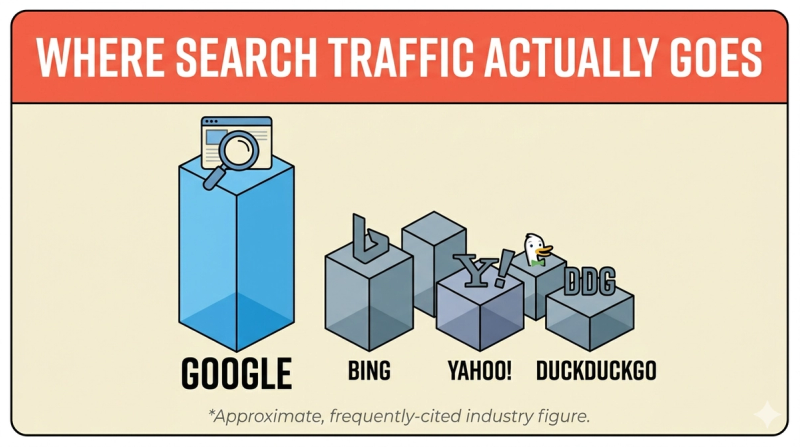
Search engines work through three sequential stages — crawling (discovering pages), indexing (storing and categorizing what's on those pages), and ranking (deciding the order pages appear in for a given query) — and SEO is the practice of optimizing a site's performance at each of those three stages. A page has to be crawled before it can be indexed, and indexed before it can rank at all — which is why technical issues blocking crawlability are often the highest-priority fix, since nothing else matters if a page never gets discovered in the first place. Ranking itself draws on hundreds of combined signals — content relevance, page experience, authority, and increasingly, how well content demonstrates genuine expertise and trustworthiness — which is exactly why no single tactic guarantees a top position on its own.
Why Does SEO Take So Long to Show Results?
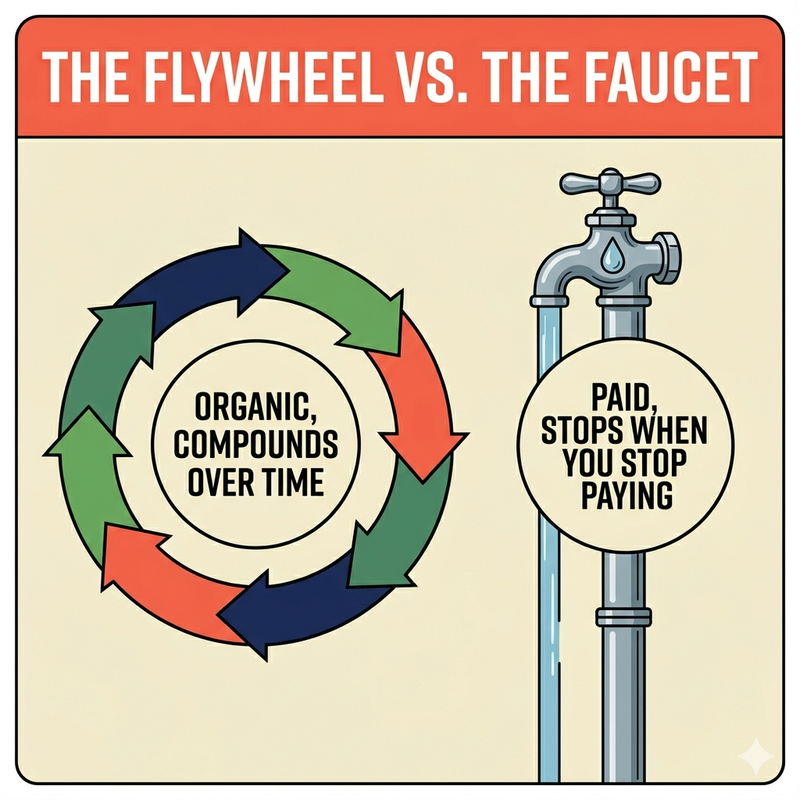
SEO results typically take months rather than days because search engines need to crawl a change, re-index the updated page, and then evaluate that change against every competing page before rankings shift — a process that compounds across a site rather than happening instantly for any single edit. This is one of the most common points of frustration for anyone new to SEO expecting immediate results the way a paid ad campaign delivers immediate visibility. The tradeoff is durability: SEO gains, once established, tend to persist without ongoing payment the way paid placement requires, which is exactly why it's worth the longer runway for most businesses building sustainable traffic.
What's Actually New About SEO in the Age of AI Search?
AI-generated search features have added a genuine fourth dimension to SEO: visibility now includes whether and how content gets cited inside an AI-synthesized answer, not just where a page ranks in a traditional list of blue links. This doesn't replace the three traditional categories — technical, on-page, and off-page fundamentals still matter, arguably more than ever, since AI systems still need to crawl, index, and evaluate trustworthiness the same way traditional ranking does. What's different is the additional layer: content also needs to be structured for extraction (clear, self-contained, well-organized passages) and grounded in genuine expertise, since an AI system deciding what to cite is essentially running its own compressed version of the same quality evaluation traditional SEO has always rewarded.
How Should Someone New to SEO Actually Get Started?
Getting started with SEO doesn't require mastering every discipline simultaneously — a practical, sequenced approach works better than trying to optimize everything at once:
- Confirm the site is technically crawlable and indexable first — nothing else matters if search engines can't access the content at all.
- Identify what a target audience is actually searching for through keyword research, rather than guessing at topics based on internal assumptions.
- Create content that directly and thoroughly answers those identified searches, structured clearly enough for both human readers and search engines to understand.
- Build genuine external credibility over time through earned mentions, links, and citations from other relevant, credible sources.
- Monitor performance through tools like Google Search Console to see what's actually working and adjust based on real data rather than assumption.
Frequently Asked Questions
Is SEO a one-time project or an ongoing, continuous process?
SEO is ongoing — search engines, competitors, and user behavior all change continuously, meaning content and technical health need periodic review and adjustment rather than a single completed setup.
Does paying for Google Ads improve organic SEO rankings?
No — paid search (Google Ads) and organic SEO are separate systems; spending on ads doesn't directly influence organic ranking position, though the two can complement each other strategically.
Can a website rank well without any backlinks at all?
It's possible for very low-competition queries, but for most competitive terms, backlinks remain a significant factor in demonstrating the external authority search engines weigh in ranking decisions.
How is local SEO different from general SEO?
Local SEO specifically targets location-based searches and results (like map listings and "near me" queries), using additional signals like Google Business Profile data that general SEO doesn't primarily rely on.
Does having more pages on a site automatically improve overall SEO?
No — page quantity alone doesn't improve SEO, and a large volume of thin, low-value pages can actually hurt overall site quality signals rather than helping.
Is keyword stuffing (repeating a keyword excessively) still an effective SEO tactic?
No — keyword stuffing has long been considered a manipulative, outdated practice that search engines actively penalize rather than reward, in favor of natural, genuinely relevant content.
Can SEO work be entirely automated, or does it require ongoing human judgment?
While many SEO tasks can be assisted or partially automated with tools, strategic decisions, quality content creation, and judgment calls about what genuinely serves users still benefit significantly from human oversight.
Does mobile-friendliness actually affect SEO rankings?
Yes — Google has used mobile-first indexing for years, meaning the mobile version of a site is the primary version evaluated for ranking purposes, making mobile-friendliness a meaningful technical SEO factor.
Is there a certification or license required to practice SEO professionally?
No formal license or certification is required to practice SEO; the field relies on demonstrated results and expertise rather than any regulated credentialing system.
Does switching a site's domain name hurt its existing SEO?
A domain migration can cause temporary ranking volatility, but a properly executed migration with correct redirects generally preserves most of the site's existing authority over time.
How does e-commerce SEO differ from SEO for a content or blog-focused site?
E-commerce SEO places heavier emphasis on product page optimization, structured data for pricing and availability, and category page structure, while content-site SEO focuses more heavily on topical depth and informational search intent.


